
NY Times: Bruce Lee Died Young, but He Changed the Look of Movies Forever
Jennifer Szalai
An exuberant new biography by Jeff Chang charts the action star’s life and legacy as a breakout Asian American celebrity who paved the way for others.
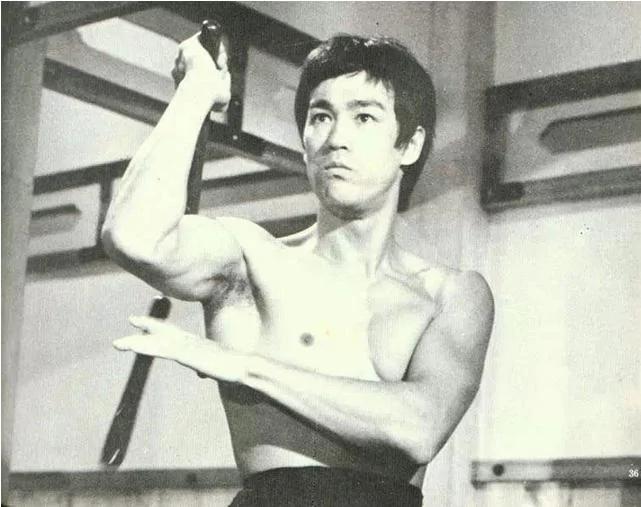
One of the promises of a biography is to go beyond the sheen of celebrity: You may be familiar with the icon, the biographer says, but here is the vulnerable human underneath. For the martial artist and action star Bruce Lee, iconography and vulnerability were entwined. Lee was an avid reader of Taoist philosophy and American self-help, using both to bolster his inner confidence and his public image. In 1969, he wrote a note to himself specifying his “Definite Chief Aim”: “I, Bruce Lee, will be the first highest paid Oriental super star in the United States.”
As Jeff Chang puts it in “Water Mirror Echo,” his exuberant new book about Lee as both a celebrity and an Asian American, the restless actor oscillated between “follow-the-flow Zen surrender” and “sunset-chasing American ambition.” Chang gets his title from a portion of a Taoist classic, “The Liezi,” that Lee found striking enough to transcribe:
If nothing within you stays rigid,
Outward things will disclose themselves.
Moving, be like water.
Still, be like a mirror.
Respond like an echo.
Sound advice, but for an Asian American trying to break into Hollywood, maintaining such equanimity was easier said than done. Chang, whose books include “Can’t Stop Won’t Stop,” a history of hip-hop’s early years, has written a capacious and entertaining account of Lee’s life and times. Lee, who was 32 when he suddenly died, was hard to pin down, in all senses of the word. Chang has rummaged through the archives and interviewed Lee’s surviving family members and friends; he writes with the diligence of a scholar and the propulsive energy of a fan.
To read the entire article: https://www.nytimes.com/2025/10/01/books/review/water-mirror-echo-jeff-chang.html
Photo credit: Thomson JK, CC BY-SA 4.0, via Wikimedia Commons