
International Examiner: Celebrating Filipino American History Month: From quotas to communities
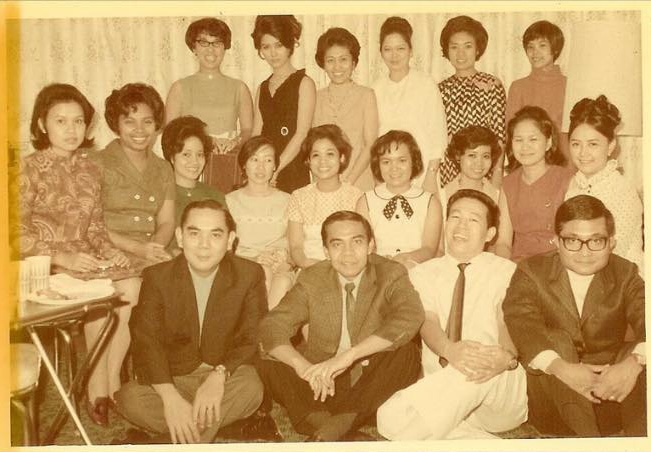
Headquartered in Seattle, the Filipino American National Historical Society (FANHS) commemorates the 90th Anniversary of the 1935 Filipino Repatriation Act and the 60th Anniversary of the 1965 Immigration & Naturalization Act: https://www.fanhs-national.org/october-is-filipino-history-month
In 1935, the U.S. Congress passed the Filipino Repatriation Act, offering free one-way transportation for Filipinos in the U.S. to return to the Philippines, but only if they agreed to never return. At the time, the Philippines was a U.S. commonwealth and there was an annual quota of 50 Filipinos who were able to enter the country. Filipinos were considered aliens who could not become citizens (and therefore could not vote, own property, or have the same rights as other Americans)… the intentions behind the law were rooted in anti-Asian sentiment and Asian exclusion… to decrease the population of Filipino nationals living in the United States. Only 2,190 Filipinos (out of the estimated 100,000 at the time) took the offer and migrated back to the Philippines – making the act one of the most failed xenophobic immigration laws in American history.
Thirty years later, U.S. Congress passed the 1965 Immigration & Naturalization Act, which became the first federal immigration law to eliminate national origin quotas that had favored Europeans, while barring or limiting Asians from entering the country. Also known as the Hart–Celler Act, this landmark legislation opened the doors for thousands of Filipino immigrants to migrate, while allowing for families to reunite and to establish multigenerational communities across the country. Nurses, engineers, physicians, domestic workers, teachers, and others sought opportunities and made the U.S. their home, bringing with them a rich legacy of resilience, labor, and cultural heritage. With this new federal law, the Filipino American population increased significantly from 176,000 in 1960 to 775,000 in 1980. Today, there are over 4 million Filipino Americans in the U.S., making them one of the largest Asian American and immigrant populations in the nation.
To read the entire article: https://iexaminer.org/celebrating-filipino-american-history-month-from-quotas-to-communities/