
AsAmNews: Remembering 84 years ago: FDR signs Executive Order 9066
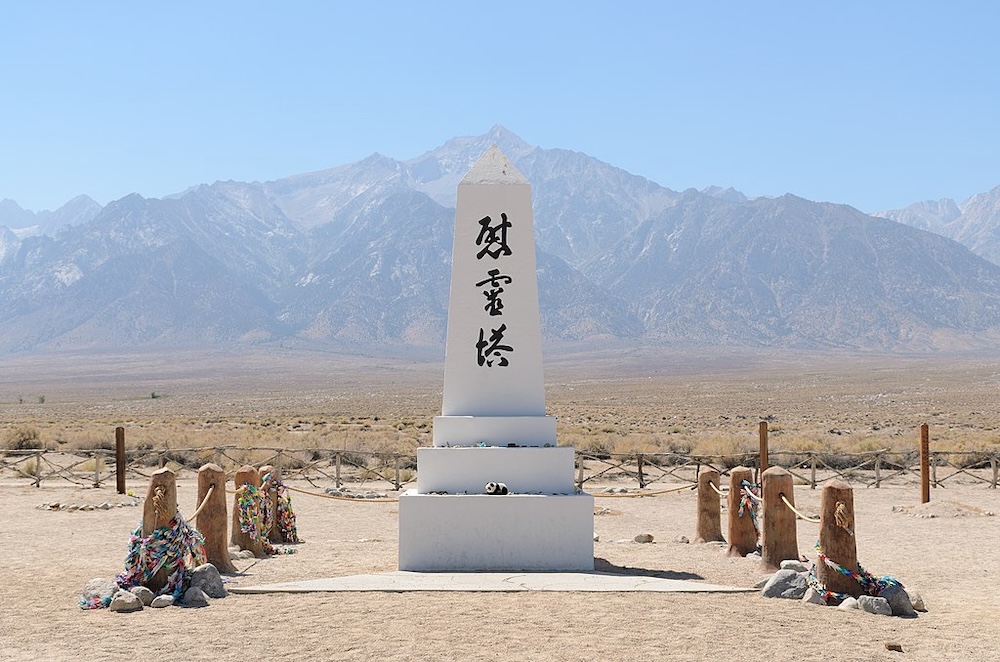
Alexandria Kenney
On February 19, 1942, former President Franklin Delano Roosevelt signed Executive Order 9066 that designated “military areas” from which anybody could be excluded. This order led to the placement of approximately 120,000 Japanese Americans, who were mostly U.S. citizens, in brutal conditions within incarceration camps across the American West.
Japanese Americans were already under close scrutiny since the 1930s, according to the National WWII Museum. After the attack on Pearl Harbor in 1941, however, suspicions of disloyalty among Japanese Americans grew in popularity. Out of the 3,000 alleged subversives arrested, half were of Japanese heritage, further adding to public paranoia.
Communications by members of media intensified during this time, as Japanese victories in the Pacific heightened domestic tensions. Pulitzer Prize-winning columnists like Westbrook Pegler famously wrote “to hell with habeas corpus” when advocating for the imprisonment of this community. Government officials were similarly direct, with then-Idaho Attorney General Bert Miller saying outright, “All Japanese [should] be put in concentration camps for the remainder of the war.”
Physically and mentally straining conditions within incarceration camps are well documented, with detainees having faced extreme heat and cold, dust storms, rampant disease, and lack of privacy, according to Densho. Additional reporting by Densho found that disabled Japanese Americans were not exempt, save for Ron Hirano, the only known disabled individual on the West Coast to have been exempt from incarceration during his time at the California School for the Deaf. Detention not only produced physical and mental ailments due to the low quality of life offered, but also exacerbated existing conditions.
To read the entire article: https://asamnews.com/2026/02/19/remembering-84-years-ago-japanese-incarceration-history/
Photo credit: King of Hearts, CC BY-SA 4.0, via Wikimedia Commons